What is Vestibular Rehabilitation Therapy (VRT)?
Vestibular rehabilitation is a special type of physical therapy designed to treat problems in the inner ear and brain that affect balance and spatial orientation. It uses targeted exercises to retrain the brain and body.
This specialized treatment focuses on neuroplasticity, the brain’s ability to adapt and form new connections. Through repeated practice, your brain learns how to compensate for the vestibular system’s deficits. In other words, we teach your body how to adjust and rebalance itself.
Vestibular therapy is not the same as general balance training. It specifically targets the root causes of dizziness and imbalance, using proven methods that directly address vestibular conditions, especially those following a concussion.
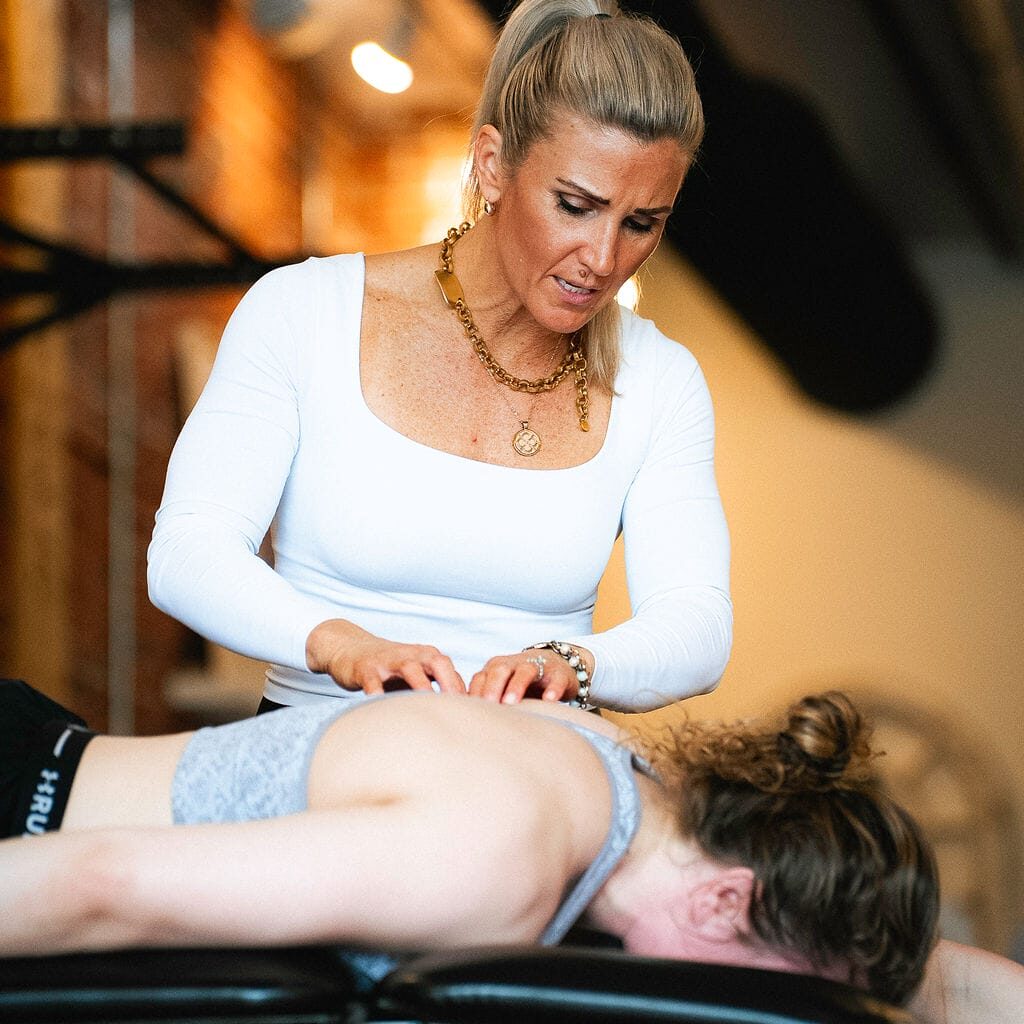
Symptoms We Treat at Our Bryn Mawr Clinic
Many patients don’t realize that their ongoing symptoms are related to vestibular dysfunction. After a concussion, these symptoms may persist for weeks or even months.
At Primal Physical Therapy, we help patients who experience:
Vertigo (a spinning sensation, even while standing still)
Dizziness or a sense of lightheadedness
Trouble walking or maintaining balance
Nausea linked to head movement
Visual issues such as blurry vision or bouncing vision while walking
These symptoms can make everyday tasks feel overwhelming. Our goal is to make your recovery process safer, more manageable, and more effective.
Common Conditions: It's Not Just “Dizziness”
Concussions often trigger a variety of vestibular issues. Each condition related to the vestibular system requires its own approach. We frequently work with individuals experiencing:
- Benign Paroxysmal Positional Vertigo (BPPV): Caused by loose crystals in the inner ear, leading to brief episodes of vertigo.
- Vestibular Neuritis and Labyrinthitis: Infections or inflammation affecting inner ear nerves.
- Vestibular Migraine: A migraine disorder that presents with dizziness rather than head pain.
- Post-Concussion Syndrome: Lingering symptoms such as balance troubles or vision problems after a concussion.
- Age-Related Balance Decline: Gradual loss of vestibular function due to aging.
You don’t have to live with ongoing dizziness or disorientation. A qualified physical therapist can pinpoint the root of the problem and provide the right vestibular rehabilitation path for you.

What to Expect at Your First Visit
When you visit our Bryn Mawr location for your first VRT appointment, we take the time to listen and observe. Your session will begin with a one-on-one evaluation that makes you feel comfortable and heard.
We’ll start with a detailed history of your symptoms, attempting to understand what triggers them and how long the episodes last. We’ll then use an oculomotor exam to observe how your eyes move and respond. We also use Infrared Video Goggles, which allow our physical therapist working with you to see involuntary eye movements, such as nystagmus, that you can’t detect on your own.

The Three Main Methods of Vestibular Therapy
Vestibular rehabilitation focuses on three evidence-based approaches. Your physical therapist in Bryn Mawr may use one or combine several depending on your symptoms and stage of concussion recovery.
1. Adaptation (Gaze Stabilization)
You may struggle to focus on objects while moving your head. Gaze stabilization exercises retrain your brain to keep your vision steady during head movement.
2. Habituation
This approach is useful when your symptoms are triggered by specific movements. By exposing you to those movements in a controlled way, your brain becomes less sensitive over time. This helps reduce symptoms like dizziness and nausea.
3. Substitution
If part of the vestibular system is damaged, the body can learn to rely more on other senses. Substitution exercises teach you how to use vision and body awareness (proprioception) to stay balanced even when your vestibular system isn’t fully reliable.
Over time, these strategies work together to improve function and reduce symptoms.
Patient-Centered Care on the Main Line
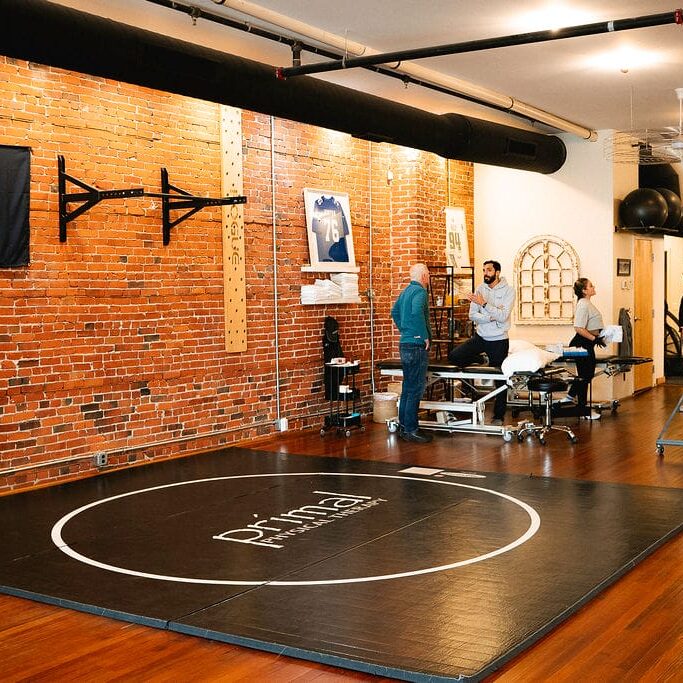
We understand how challenging dizziness and balance issues can be, especially when navigating a busy environment. That’s why we’ve designed our Bryn Mawr clinic to meet your needs from the moment you arrive.
- Flat street parking is available directly at our entrance to reduce walking distance and disorientation.
- Our treatment rooms are quiet and private, helping limit visual and auditory overload.
- Accessibility features include wide doorways and barrier-free access so you can move safely through the space.
You can find our office at 905 W Lancaster Ave in Bryn Mawr, between the Juice Pod and CHOPT. If you have any trouble finding us, call us! We’d be happy to help.
Begin Your Recovery with Confidence
You shouldn’t wait for symptoms to “go away on their own.” Our vestibular therapy in Bryn Mawr helps you take active steps in your concussion recovery. At Primal Physical Therapy, we listen first, then create a targeted treatment plan to help you regain your balance and your confidence.
Whether you're dealing with vertigo, imbalance, or ongoing sensitivity after a concussion, we’re here to help. Contact our practice today to schedule your first visit or learn more about vestibular physical therapy designed for post-concussion care.
READY TO GET STARTED?